
LGA/LCDA Updates
Exploring the Rich History of Ajao Estate: From Humble Beginnings to Lagos’ Diverse Gem

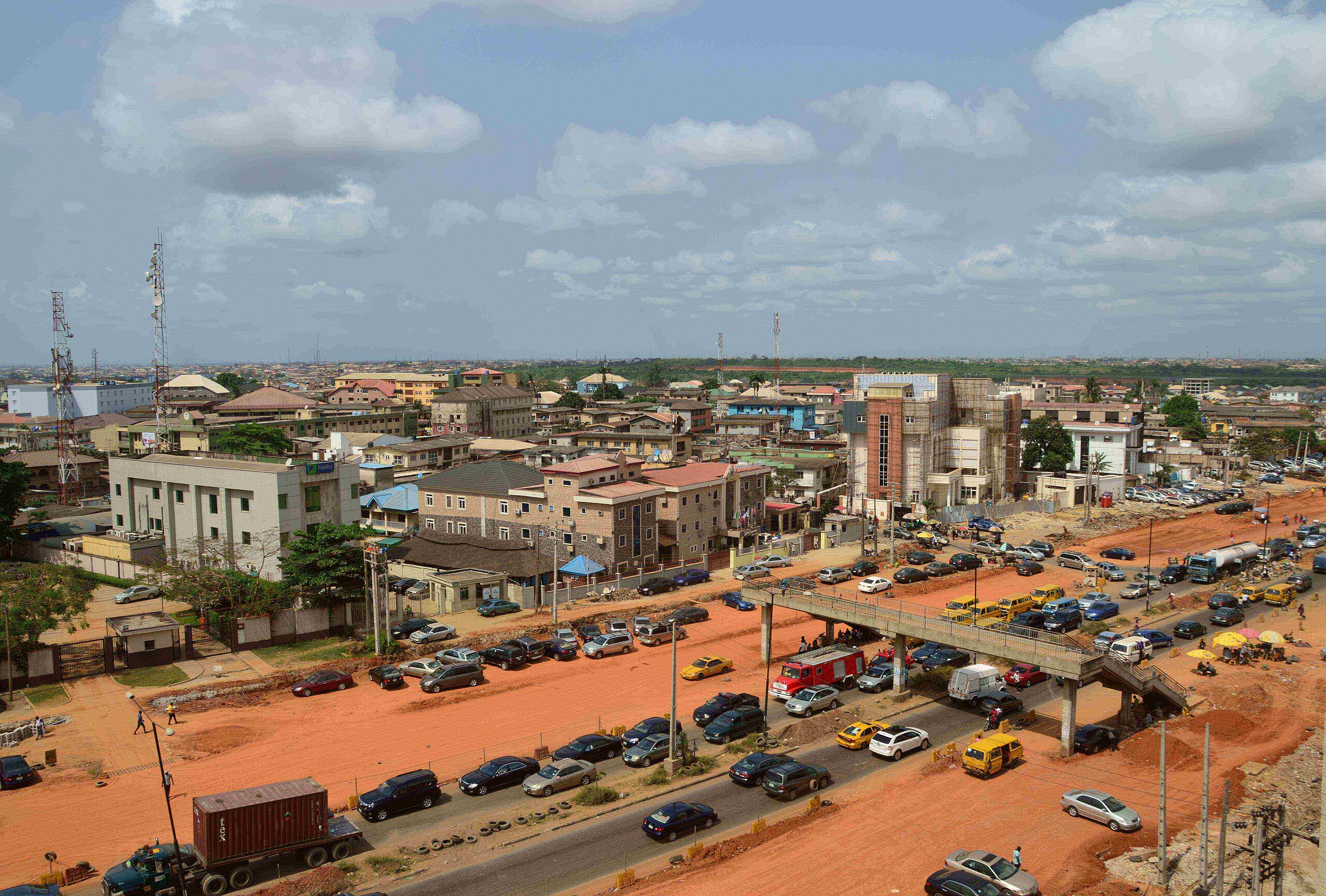
Date of Report: December 13, 2025
Prepared by: CivicWire.ng Heritage Desk
Overview: Ajao Estate, a vibrant residential and commercial enclave in Lagos State’s Oshodi-Isolo Local Government Area (LGA), has evolved from a mid-20th-century settlement into one of the city’s most multicultural neighborhoods. Named after Chief Joseph Adediran Ajao, a pioneering landowner and businessman, the estate’s history reflects Lagos’ rapid urbanization, ethnic diversity, and economic dynamism. Spanning areas near Murtala Muhammed International Airport, Ajao Estate today houses a mix of middle-class families, expatriates, and businesses, boasting a population that embodies Nigeria’s melting-pot ethos. This exploration draws on historical accounts, archival insights, and contemporary observations to trace its journey from rural landholdings to a bustling urban hub.
Historical Origins: The Legacy of Chief Joseph Adediran Ajao
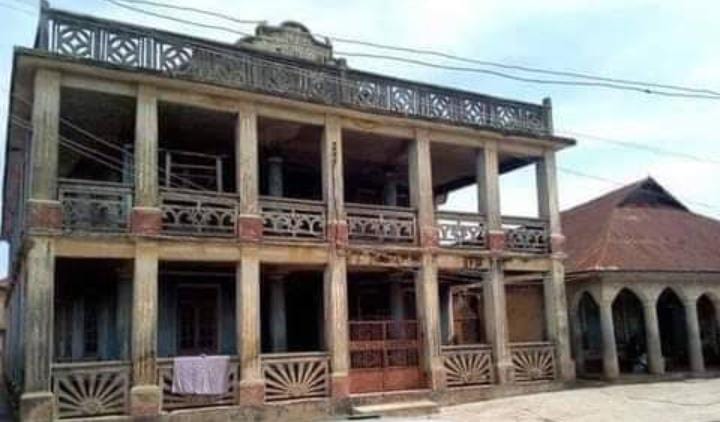
Ajao Estate’s roots are deeply intertwined with the vision of Chief Joseph Adediran Ajao, a prominent entrepreneur born in Aawe town, Oyo State. In the 1940s, Chief Ajao, a successful import businessman and one of Lagos’ largest landowners, acquired vast tracts of land in what was then a semi-rural area on the city’s outskirts. He was the Bashorun of Aawe and built a notable family house in his hometown during this era, symbolizing his rising status. The land he owned in Lagos became the foundation for Ajao Estate, strategically positioned near emerging industrial and transport hubs.
Emerging in the mid-20th century, the estate was initially developed as affordable housing for Lagos’ growing middle class, catering to families seeking proximity to commercial centers like the nearby airport. Chief Ajao’s influence extended to adjacent areas, including Papa Ajao Estate in Mushin LGA, which was originally envisioned as “European quarters” for expatriates and locals but later faced challenges like urban decay and lawlessness. By the 1960s and 1970s, as Lagos boomed post-independence, Ajao Estate transformed from farmland into a planned residential enclave, attracting migrants amid Nigeria’s oil-driven economic surge.
Key Developments: Urbanization and Multicultural Growth
The estate’s development accelerated in the late 20th century, mirroring Lagos’ transformation into Africa’s largest city. Key milestones include:
- Post-Independence Expansion (1960s-1980s): As part of Mushin and later Oshodi-Isolo LGA, Ajao Estate benefited from infrastructure projects under governors like Lateef Jakande, who emphasized housing and roads. Its airport proximity made it ideal for aviation workers and traders.
- 1990s-2000s Modernization: The area saw the rise of mixed-use developments, with homes, shops, and schools emerging. Challenges like the 2002 Ikeja bomb blast nearby tested resilience, but it spurred community-led recovery efforts.
- 2010s-Present Diversity Boom: Today, Ajao Estate is a multicultural mosaic, with residents from Yoruba, Igbo, Hausa, Edo, and international communities (e.g., Ghana, India, Lebanon). This diversity is evident in its markets offering regional foods, restaurants with global cuisines, and cultural events like Yoruba festivals and Igbo New Yam celebrations. Economic activities thrive through local businesses in fashion, electronics, and spices, supported by well-connected roads and public transport.
Infrastructure upgrades, including waste management and security initiatives, address urban woes like traffic and petty crime. Educational institutions, from government schools to international ones, incorporate diverse curricula, while recreational spots like parks and gyms foster community bonds.

Notable Figures and Landmarks
- Chief Joseph Adediran Ajao: The estate’s namesake, remembered for his land acquisitions and contributions to Lagos’ growth. His legacy lives in areas like Papa Ajao, once an upscale enclave now evolving amid urban pressures.
- Landmarks: The estate features thriving markets, community centers, and proximity to the airport. Historical sites are subtle, but the area’s evolution is visible in its mix of colonial-era structures and modern apartments.
Current Status: A Diverse, Dynamic Neighborhood
In 2025, Ajao Estate remains one of Lagos’ most inclusive areas, ideal for young professionals, families, and expatriates seeking affordable, connected living. With a dense population and vibrant economy, it faces challenges like traffic but counters them through community initiatives. Its strategic location—bordering industrial zones and the airport—drives real estate value, with properties ranging from modest apartments to upscale homes.
Ajao Estate’s story is Lagos in microcosm: a blend of history, diversity, and ambition. As the city grows, it continues to adapt, preserving its heritage while embracing the future.
Sources: Aggregated from web searches and verified archives. For community stories: heritage@civicwire.ng.


World Hepatitis Day 2026: The Legends Reaffirms Commitment to Building Healthier Communities

Alleged Plot to Edge Out Saheed Oladele Sparks Political Storm in Oyo: Questions Mount Over SDP Ticket Amid GSM’s Alleged Influence

SHE SPENT 16 YEARS SAVING LIVES… NOW SHE IS BEGGING FOR HER OWN: Lagos Social Worker Needs Help as ₦45 Million Kidney Transplant Hangs in the Balance

Shocking Claim Rocks Nwoko-Daniels Saga: Hooded Man Alleges Senator Offered ₦5M to Assassinate Estranged Wife Regina – Fact or Fabricated Fury?

MHR 2027: KOK vs OBE – Who Is Truly Fit for the House of Representatives?

Civic Wire Commentary: Ejigbo LCDA’s “Transparency Sign” Raises Questions Over ₦988 Million Road Project

Blord Launches “RATEL” App in Epic Shade to VeryDarkMan – The Full Naija Beef Update!

Edo Governor’s Supporter Claims “No Revenue” Amid Road Inspection Drama

MC Oluomo Stumbles Over Words in Viral NURTW Speech Video – The Full Gist! 🔥😭
-
 Entertainment10 months ago
Shocking Claim Rocks Nwoko-Daniels Saga: Hooded Man Alleges Senator Offered ₦5M to Assassinate Estranged Wife Regina – Fact or Fabricated Fury?
-
 LGA/LCDA Updates10 months ago
MHR 2027: KOK vs OBE – Who Is Truly Fit for the House of Representatives?
-
 LGA/LCDA Updates9 months ago
Civic Wire Commentary: Ejigbo LCDA’s “Transparency Sign” Raises Questions Over ₦988 Million Road Project
-

 LGA/LCDA Updates10 months ago
100 Days of Promise and Progress: Ejigbo LCDA Chairman Hon. Taoreed Aare Taiwo (TAT) Celebrates Milestones with Community Empowerment and Infrastructure Push
-

 News Update10 months ago
Exclusive: ICPC and Works Ministry Launch Massive Nationwide Audit of 760 Federal Road Projects Worth ₦36 Trillion – A Deep Dive into Transparency Push
-
 LGA/LCDA Updates3 months ago
SHE SPENT 16 YEARS SAVING LIVES… NOW SHE IS BEGGING FOR HER OWN: Lagos Social Worker Needs Help as ₦45 Million Kidney Transplant Hangs in the Balance
-
 LGA/LCDA Updates5 months ago
FALANA ROAD WAR ERUPTS AS GAJ EXPOSES ‘FALSE CLAIMS,’ ACCUSES OBE CAMP OF BLOCKING MAJOR EJIGBO PROJECT
-
LGA/LCDA Updates10 months ago
Report: The ICPC Petition Against Monsuru Oloyede Bello (Obe) – Social Media Dynamics and Civic Discourse in Ejigbo LCDA